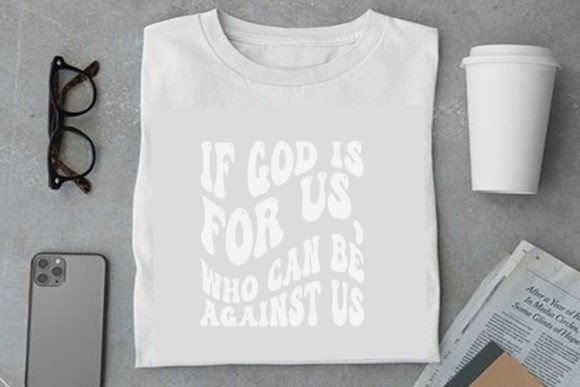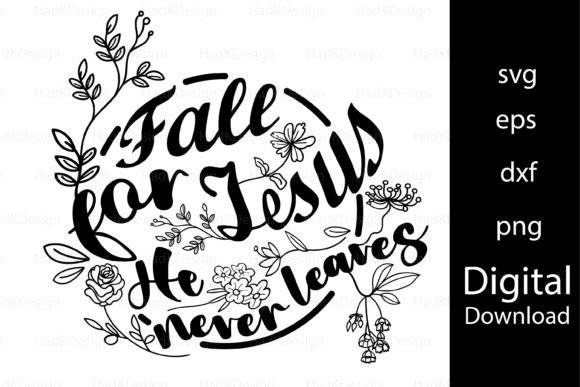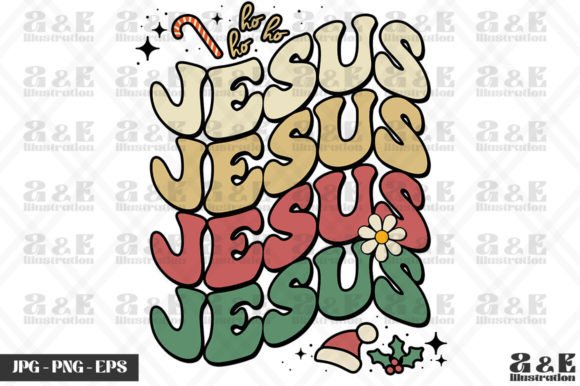
Jesus Pumpkin Spice Retro Fall T-Shirt Design for Blog Graphics & Editorial Use
As a blog designer and digital publisher with years of experience crafting high-performing content sites, I'm always on the lookout for graphic design assets that elevate editorial quality without overwhelming the reader. The Jesus Pumpkin Spice Retro Fall T-shirt Design immediately caught my eye—not just for its seasonal charm, but for its versatility across digital publishing platforms. This isn't just another festive graphic; it's a design asset that can support content branding, enhance visual storytelling, and add a touch of warmth to your digital presence.
First Impressions: A Nostalgic, Seasonal Vibe with Editorial Flexibility
Opening the design file, the first thing I noticed was the warm color palette—burnt orange, deep reds, and muted browns—combined with a vintage typography style that instantly evokes autumn. The retro aesthetic feels lifestyle-focused and slightly playful, making it ideal for seasonal content in niches like food blogging, Christian lifestyle, home decor, self-care, or cozy living.
From a design perspective, this asset doesn't scream for attention—it invites it. That’s a key trait of strong editorial design. It supports the content rather than competing with it, which is essential when integrating into blog layouts, email headers, or downloadable guides.
Real Publishing Use Cases: From Pinterest Pins to Newsletter Banners
Let’s talk workflow. I tested this retro Fall design across several real-world publishing formats:
- Blog featured images – Works well as a background accent or central visual theme for seasonal posts.
- Pinterest pins – Its bold colors and clear focal point make it highly clickable in social feeds.
- Email newsletter headers – Adds a festive touch without disrupting readability.
- Lead magnet covers – Perfect for downloadable autumn-themed guides or devotionals.
- Social media graphics – Ideal for Instagram Stories or Facebook posts in late September through November.
- Canva templates – Easily adaptable for content creators who use drag-and-drop design tools.
This design asset bridges the gap between print and digital, making it just as effective for printable designs like cards or mugs as it is for website headers and affiliate marketing visuals.
How It Boosts Content Performance
Visual communication is a silent partner in content marketing. The Jesus Pumpkin Spice Retro Fall T-shirt Design contributes to several key performance drivers:
- Stronger first impression – The warm, nostalgic look immediately signals seasonal relevance.
- Clear visual hierarchy – Acts as a natural focal point without visual clutter.
- Higher click-through potential – Especially effective in Pinterest and email thumbnails.
- Consistent brand identity – Helps reinforce seasonal themes across your content calendar.
- Improved reader trust – A polished design signals professionalism and attention to detail.
For bloggers and digital marketers, especially those in lifestyle, Christian, or seasonal niches, this graphic can become a cornerstone of your fall content strategy.
Best Use Cases: Where This Design Shines
After testing it in various formats, here are the top placements where this design asset truly excels:
- Hero images – Great for seasonal landing pages or homepage banners.
- Article thumbnails – Especially for cozy lifestyle or autumn recipe content.
- Pinterest visuals – High contrast and emotional warmth drive engagement.
- Newsletter headers – Adds seasonal flair without disrupting content flow.
- Downloadable printables – Perfect for seasonal guides, planners, or devotionals.
Its retro charm and warm color scheme make it ideal for content upgrades, digital guides, and affiliate marketing visuals that need to feel approachable yet polished.
Where to Use It Carefully
While this design is versatile, it’s not a one-size-fits-all solution. Here are a few situations where you’ll want to be cautious:
- Small mobile thumbnails – Detail may get lost on tiny screens.
- Text-heavy blog images – Can clash with dense typography.
- Low-contrast backgrounds – May reduce readability of overlaid text.
- Corporate or minimalist branding – Doesn’t align with ultra-clean or modern design systems.
- Professional niche content – May feel out of place on finance, tech, or legal blogs.
If you're publishing in a serious or highly professional niche, this design might not align with your brand identity unless used sparingly as a seasonal accent.
Publisher Notes: Practical Tips for Integration
Before deploying this design in your content ecosystem, here are a few practical checks I recommend:
- Test on desktop and mobile – Ensure the design scales well across devices.
- Preview in real blog layouts – See how it interacts with your fonts and content blocks.
- Overlay with headline text – Confirm readability and visual balance.
- Check contrast and color harmony – Especially if you're using it as a background element.
- Try it in black and white – Helps assess tonal balance and adaptability.
- Pair with different fonts – Works best with serif, script, or display fonts; less ideal with strict sans-serif systems.
- Optimize file size – Compress images to ensure fast load times on your site.
- Verify commercial licensing – Essential if you're using it on monetized websites, affiliate blogs, or paid digital products.
These steps are part of a responsible design workflow that ensures your content remains both visually appealing and technically sound.
Final Thoughts: A Seasonal Design Asset with Editorial Value
The Jesus Pumpkin Spice Retro Fall T-shirt Design is more than just a festive graphic. It's a well-crafted visual tool that supports editorial storytelling, enhances seasonal branding, and adds warmth to digital content. Whether you're a content creator, small business owner, or digital marketer, this asset can help you create more engaging, trustworthy, and clickable content during the fall season.
Used thoughtfully, it can elevate your blog graphics, social media visuals, downloadable resources, and even your affiliate marketing assets. Just remember to test, adapt, and integrate it within your existing brand system for the best results.